
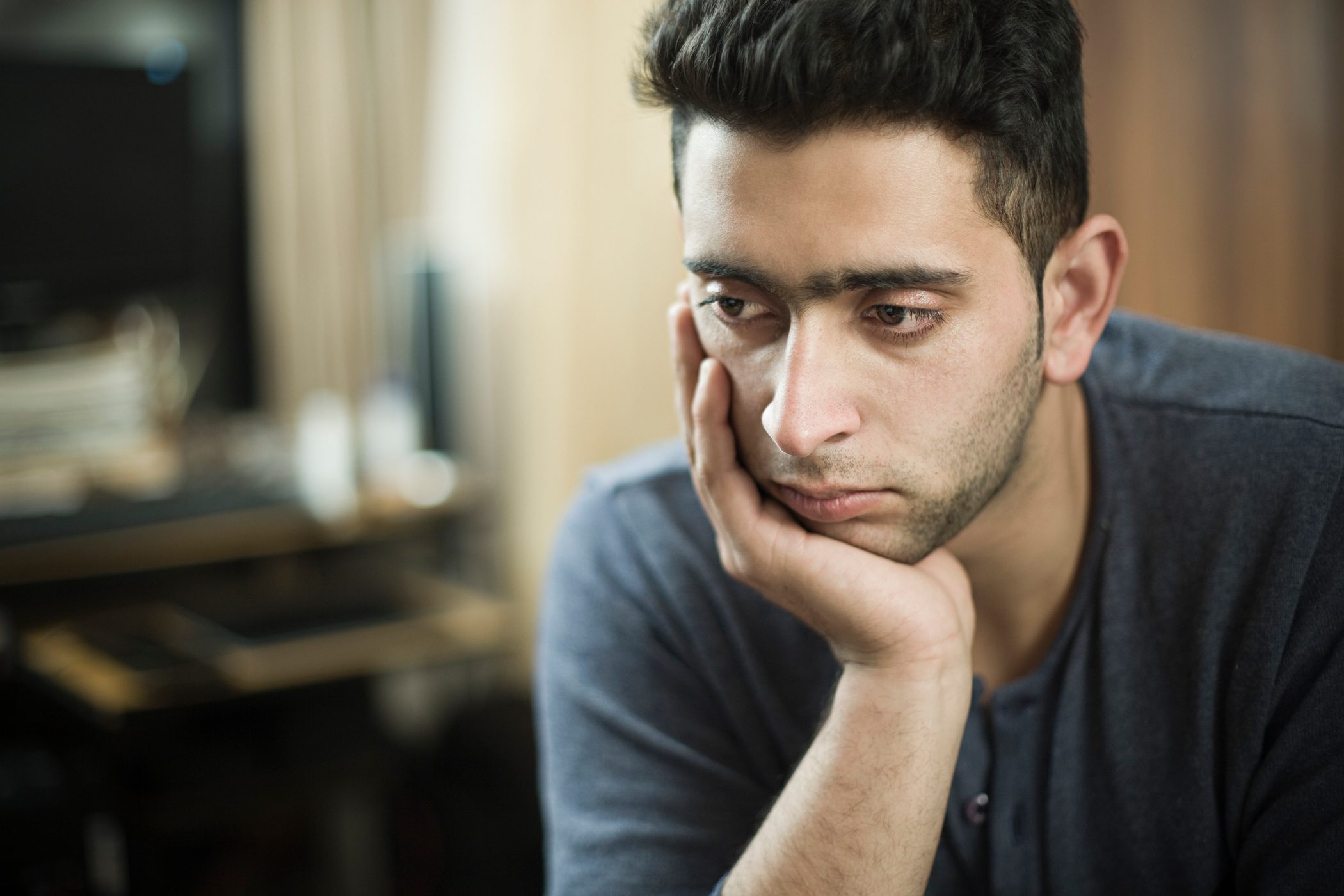
Gambling is often portrayed as harmless entertainment, like an exciting night out at the casino, a quick bet on the big game or a scratch-off ticket in the gas station. But beneath this veneer of fun lies a growing public health concern: gambling addiction.
As gambling opportunities expand across the United States, so too does the number of lives being deeply affected by its destructive force.
A Growing Problem With Widespread Impact
Gambling has become more accessible than ever since becoming legal in the United States. Online casinos and sports betting apps now allow people to place wagers from their phones at any hour, and legal sports betting is now available in many U.S. states. This omnipresent access has contributed to an increase in gambling disorders nationwide.
According to the National Council on Problem Gambling, about 2.5% of U.S. adults meet criteria for a gambling disorder.
While these percentages may seem small, in a country of more than 330 million people, they represent millions of individuals whose lives are profoundly disrupted by gambling.
How Gambling Becomes Addictive
The pattern of gambling addiction isn’t random. Like substance use disorders, gambling hijacks the brain’s reward system. Wins or even near misses trigger powerful dopamine release, reinforcing behavior and creating a compulsive chase for the next big payoff. Over time, this pursuit can shift from entertainment to obsession.
Mental Health: A Complicated and Painful Connection
Gambling addiction is deeply tied to emotional and psychological well-being. Studies show strong overlap between gambling disorders and mental health conditions:
- People with gambling problems tend to also have at least one other psychiatric condition, such as depression, anxiety or substance use disorders.
- Major depressive disorder is more common among those with gambling disorders.
- People with serious gambling problems are more likely to experience suicidal ideation or attempts than the general population.
Gambling addiction can lead to intense stress, hopelessness, shame and anxiety, especially as financial losses mount and control slips away. The emotional toll often feeds into a cycle of worsening mental health, where individuals gamble to escape distress yet become trapped deeper in despair.
The Real-World Consequences: Relationships, Finances, Work
The ripple effects of gambling addiction touch nearly every aspect of life.
Relationships: Trust erodes as lies and secrecy mount. Many partnerships are strained or destroyed, and family members often bear the emotional and financial fallout.
Finances: Problem gamblers in the U.S. lose money at an alarming rate. These losses can lead to bankruptcies, loss of savings and ongoing financial instability.
Work and Career: Gambling can affect job performance and attendance. There are higher unemployment rates among people with gambling disorder, and many lose their jobs due to compulsive behaviors or related issues.
This cascade — loss of money, relationship breakdown, job instability — creates enormous emotional pressure, often contributing to worsening mental health.
Similarities to Other Addictions
While gambling doesn’t involve a substance entering the body, its effects on the brain and life outcomes closely resemble those of other addictions like alcohol or drugs. Both types of addiction:
- Activate the brain’s reward pathways
- Cause compulsive behavior despite negative consequences
- Lead to withdrawal symptoms such as anxiety or irritability
- Disrupt daily functioning and relationships
In many ways, gambling addiction can be as destructive as substance addiction, underscoring the need for awareness, understanding and treatment.
A Call for Compassion and Support
Problem gambling carries stigma, and many people suffer in silence. Yet recovery is possible. Like all forms of addiction, gambling disorder responds well to evidence-based treatment, including therapy, support groups and integrated care for co-occurring mental health conditions.
If you or someone you love is struggling, know that help is available and that reaching out is a brave first step toward healing. Check out our website here or give us a call at 844-573-2766